Best home battery for power outages
The best home battery for power outages is not just the biggest one. Look for enough usable kWh for the loads you care about, a hybrid inverter that can start motors and HVAC, LiFePO4 chemistry for safety and cycle life, fast transfer time, and the ability to expand later. Essentials-only backup can fit around 16 kWh; whole-home backup often needs 28 kWh or more.
Define what must stay on
Before comparing batteries, decide whether you want essentials-only backup or whole-home backup. Essentials usually include refrigeration, lights, internet, outlets, medical devices, and pumps. Whole-home backup adds HVAC, ovens, laundry, and other heavy loads.
This decision changes everything: a smaller battery can keep essentials alive for a long outage, while whole-home comfort needs more storage and a stronger inverter.
Compare usable kWh
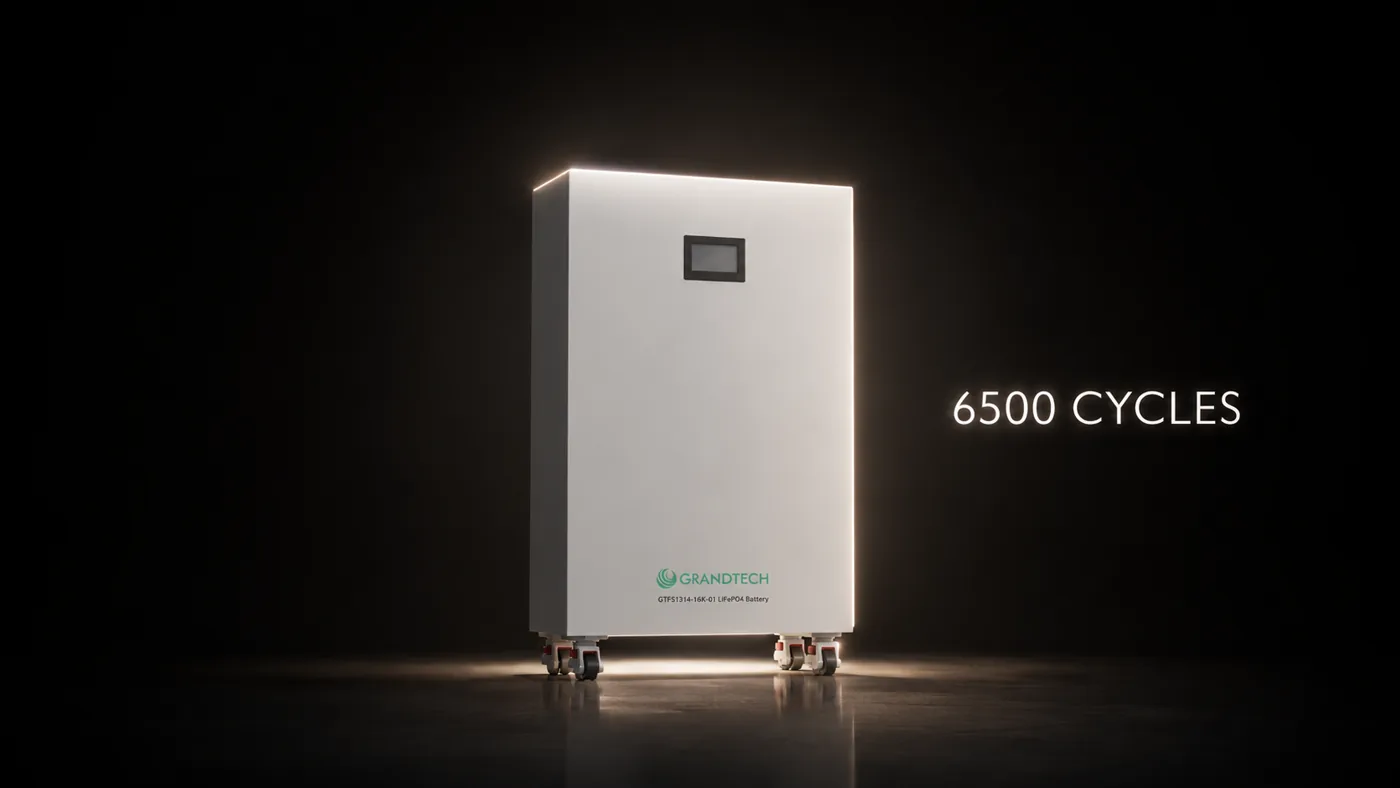
Battery capacity is measured in kWh. A 16 kWh LiFePO4 battery is a strong starting point for essential loads. A 28 kWh battery or stacked system is a better fit for whole-home outages, off-grid homes, or users who want longer autonomy.
Do not compare batteries only by headline capacity. Check usable capacity, depth of discharge, and whether the system can expand in parallel.
Match the inverter to outage loads
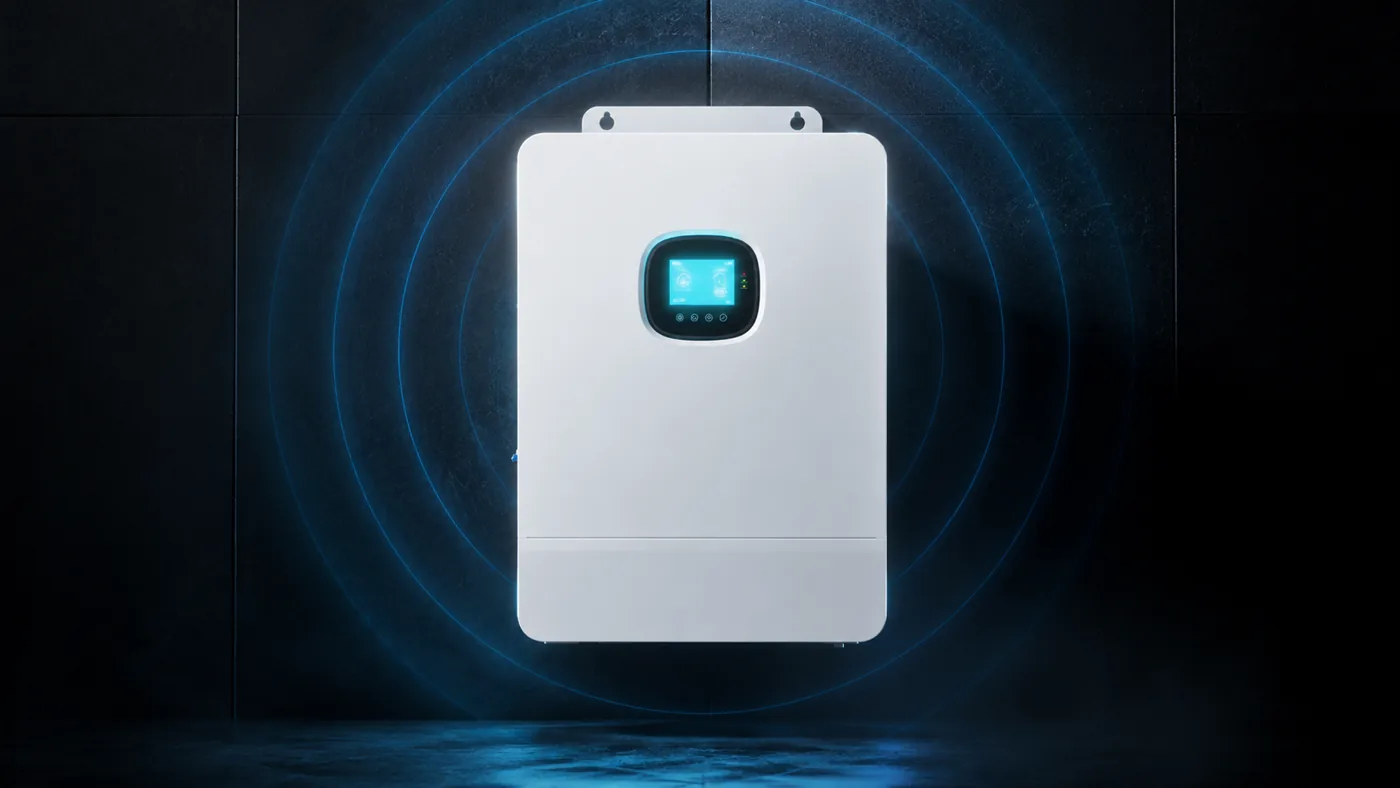
The battery stores energy, but the inverter delivers power. A home with well pumps, refrigerators, and HVAC compressors needs an inverter that can handle startup surge and 120/240V split-phase output.
A 10-12 kW hybrid inverter covers many residential backup systems and can charge from solar, grid, or generator depending on the installation.
Choose LiFePO4 chemistry
LiFePO4 is the preferred chemistry for home backup because it is stable, long-lived, and designed for deep cycling. It is heavier than some lithium chemistries, but stationary home systems benefit more from safety and cycle life than maximum energy density.
Look for installer-ready details
Good outage systems need more than batteries: clear datasheets, BMS communication, compatible inverter protocols, code-compliant wiring, permits, disconnects, and a transfer/backup configuration.
Choose hardware that an electrician or solar installer can document and service, not just a battery with a large number on the label.
Frequently asked questions
What size battery do I need for power outages?
For essentials-only backup, many homes can start with around 16 kWh. For whole-home backup, HVAC, or longer outages, 28 kWh or more is a better planning number.
Is a home battery better than a generator?
A battery is quiet, instant, and pairs with solar, while a generator is useful for long-duration backup and stormy periods. The strongest systems often use both: batteries for instant backup and a generator for emergency recharging.
Can I add more batteries later?
Yes, if the system is designed for parallel expansion. Confirm battery compatibility, inverter limits, busbar sizing, and installation requirements before adding modules.